




New Pathways to PR: How Boosting Your French from NCLC 5 to NCLC 7 Can Transform Your Immigration Chances
For many aspiring immigrants, advancing French language skills is now one of the most strategic ways to improve their chances of securing Canadian permanent residency. Moving from Niveaux de compétence linguistique canadien (NCLC) level 5 to level 7 unlocks significant benefits under Express Entry—especially as Canada continues to expand opportunities for French-speaking newcomers.
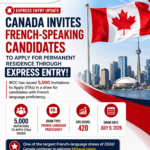
Reaching an NCLC 7 in all four abilities—reading, writing, listening, and speaking—can drastically raise your Comprehensive Ranking System (CRS) score and open the door to French-language category-based draws, which consistently have lower cut-off scores compared to general draws.
With Canada setting ambitious targets for welcoming more French-speaking immigrants outside Quebec over the next few years, this skillset has become more valuable than ever.
Why French Proficiency Matters More Than Ever for Immigrants
1. A Major CRS Score Boost
Achieving NCLC 7 makes candidates eligible for up to 62 CRS points when combined with a minimum CLB 5 in English. These points greatly strengthen an Express Entry application and can be the deciding factor in receiving an Invitation to Apply (ITA).
2. Exclusive Access to French-Language Draws
French-proficient candidates have been benefiting from notably lower CRS cut-offs. This year alone, multiple draws have targeted French-speaking candidates, with cut-offs significantly below those of Canadian Experience Class or other occupational streams.
3. Advantage in Provincial Nominee Programs
Many provincial programs prioritize francophone candidates to support Canada’s bilingualism goals. Candidates with NCLC 7 are frequently given preference for nomination, which almost guarantees PR.
4. Long-Term Government Targets Increasing Demand
Canada is actively increasing the annual share of French-speaking newcomers outside Quebec. This trend means more dedicated pathways, more invitations, and more opportunities ahead.
How to Elevate Your French from NCLC 5 to NCLC 7: Key Strategies
1. Commit to Daily, Structured Study
Significant progress requires intentional practice. Learners aiming for NCLC 7 benefit from dedicated 1–2 hour sessions focused on all four skills. Balancing textbooks, exercises, conversations, and writing tasks allows for steady, reliable improvement.
2. Attend Immersive French Programs
Immersion programs break the “intermediate barrier” many learners face. Spending days or weeks in a fully French-speaking environment builds automatic responses, strengthens listening skills, and improves confidence more quickly than traditional classroom learning.
3. Work or Volunteer in French-Speaking Environments
Whether through employment, volunteering, or community involvement, day-to-day interaction in French helps learners adapt their language to real workplace or social settings. This sharpens vocabulary, professional phrasing, and spontaneous communication.
4. Hire a Certified French Tutor
Personalized coaching ensures targeted feedback. Tutors help correct pronunciation, grammar habits, and sentence structures that textbooks cannot fully address. They also design mock exams and skill-focused lessons based on your weakest areas.
5. Practice with French Test Materials
Studying with TEF and TCF Canada practice exams helps learners understand question formats, timing, writing expectations, and speaking prompts. Simulating real test conditions greatly improves performance and confidence.
6. Immerse Yourself in Francophone Media
Watching French news, listening to radio programs, or following francophone current affairs exposes learners to authentic vocabulary, natural phrasing, and complex arguments. This builds advanced comprehension and prepares candidates for test scenarios.
7. Use Reverse Translation Techniques
Translating French to English and then back into French without referencing the original text reveals gaps in grammar, phrasing, and nuance. This method is extremely effective for refining writing and internalizing French sentence patterns.
8. Consider Au Pair or Live-In Programs
Living with a francophone family provides constant language exposure. Managing daily conversations, routines, and responsibilities builds natural fluency and strengthens both listening and speaking skills in everyday settings.
What Reaching NCLC Level 7 Really Means
NCLC 7 falls within the “Intermediate” stage, but at a level recognized as “Adequate Intermediate” proficiency. It reflects the ability to:
Reading
• Understand the purpose, structure, and argument of texts
• Interpret explicit and implied meaning
• Recognize a wide range of vocabulary and expressions
Writing
• Produce organized, coherent paragraphs
• Express views clearly with accurate grammar
• Use varied vocabulary and structured reasoning
Speaking
• Adjust tone and formality to different settings
• Speak confidently in social, academic, and workplace situations
• Communicate abstract ideas and opinions
Listening
• Follow moderately complex conversations
• Interpret tone, intent, and implied meaning
• Understand everyday and professional dialogues, though rapid group speech may still pose challenges
Learners at NCLC 5 or 6 may still struggle with rapid discussions, unfamiliar vocabulary, fluency gaps, and more complex sentence structures—issues that typically improve with exposure and structured practice.
For a consultation about Immigration options, reach out to the CAD IMMIGRATION today!
